Navel Piercing Is an Anatomy-Dependent Service
A safe, stable navel piercing depends on the available tissue, shape, movement, depth, scarring, previous piercing history, and how the navel changes while sitting and bending. Not every client is suited to a traditional navel placement.
Placement and Jewelry Selection
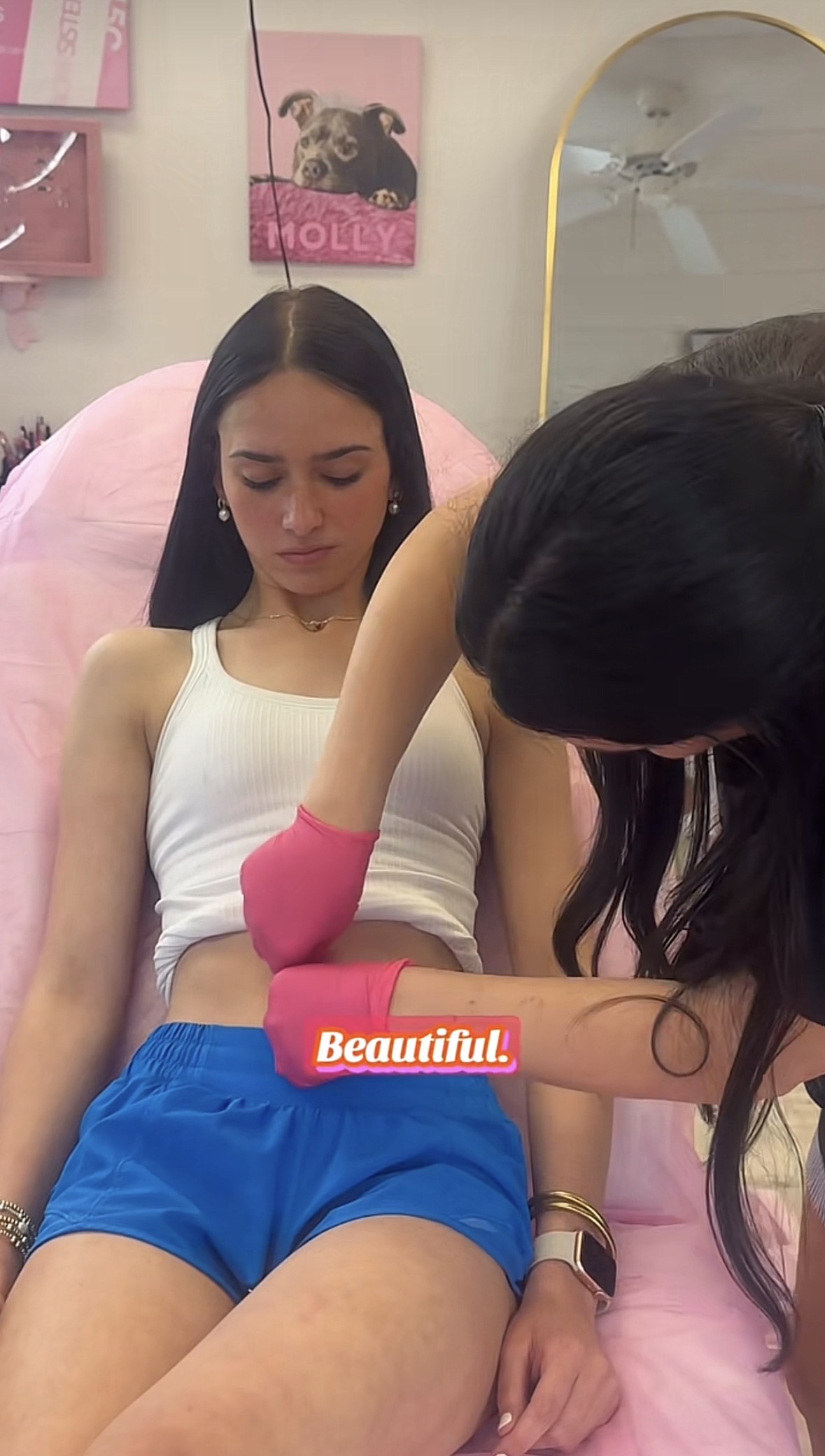
Victoria evaluates the navel at rest and through normal movement before marking placement. Initial jewelry dimensions and style are selected for anatomy, expected swelling, pressure, and healing—not simply the smallest or most decorative option.
Age and Documentation Requirements
Navel piercing appointments begin at age 15. A minor must be accompanied by their mother. The mother must bring her government-issued photo ID, and the minor’s birth certificate must also be presented at the appointment.
What Healing Can Look Like
Temporary tenderness, localized swelling, light crusting, or minor bleeding may occur. Healing is gradual, and the piercing can look calm on the outside before the internal channel is mature.
Clothing, Pressure, and Movement
High waistbands, tight clothing, sports equipment, sleeping pressure, snagging, and repeated bending can irritate a healing navel piercing. Plan clothing and activities around protecting the area.
Swimming and Aftercare
Follow the written aftercare and current guidance provided at the appointment. Avoid unnecessary touching, rotation, unapproved products, and exposing a fresh piercing to avoidable contamination.
Migration, Rejection, and Scarring
Navel piercings can migrate or reject, especially when anatomy, pressure, trauma, jewelry, or healing conditions are unfavorable. Scarring is possible even with appropriate placement and care. Contact the studio promptly if the tissue appears to thin or placement changes.
Previous or Re-Pierced Navels
A prior piercing does not automatically mean the same placement can be used again. Scar tissue, tissue loss, old channels, and altered anatomy must be assessed before a new piercing is recommended.